
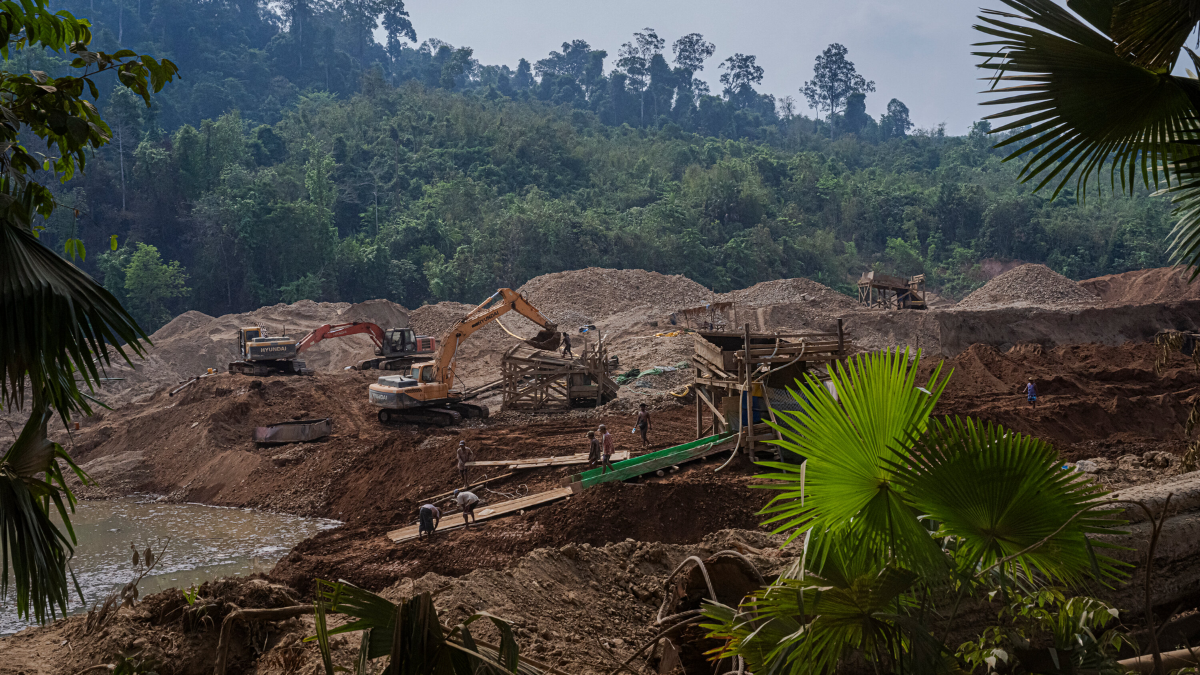
Summary – Myanmar’s rare earths mining disruption amid rebel control poses critical challenges for China’s resource strategy and global supply chains.,
Article –
Myanmar, a crucial supplier of rare earth elements to China and global industries, is facing a major disruption as rebel forces seize control of key mining areas. This situation threatens the supply of essential minerals and complicates China’s geopolitical strategy, forcing Beijing to maintain a delicate balance between supporting Myanmar’s military junta and engaging with rebel factions to secure resource access. The crisis also highlights the environmental damage caused by mining and raises concerns about the stability of global supply chains vital for high-tech and green industries.
Background
Over recent months, various rebel groups have taken advantage of political instability in Myanmar to seize control of valuable rare earth mining zones. These minerals are essential for:
- Manufacturing electronics
- Renewable energy technologies
- Defense systems
Myanmar is one of the world’s key producers of rare earth elements, primarily supplying China, which dominates the global market in processing and utilization.
China is Myanmar’s largest export destination for rare earths and depends heavily on consistent supply. However, political turmoil and armed conflict have disrupted mining operations, threatening Beijing’s access to these resources. The Myanmar military junta, which came to power through a coup, faces ongoing insurgencies, enabling rebel groups to gain control over resource-rich areas.
The Global Impact
The disruption in Myanmar’s rare earth supply chain has widespread implications:
- For China: Controlling around 80% of global rare earth processing, any limitation on raw material flow risks affecting industrial sectors from consumer electronics to electric vehicles.
- Beijing faces a dual challenge: supporting Myanmar’s junta for stability while negotiating with rebels to ensure resource extraction continues.
- Economic effects: Prolonged interruptions may amplify supply shortages and price volatility, creating uncertainty for manufacturers and slowing production timelines for key technologies like smartphones, wind turbines, and defense hardware.
Environmental concerns are significant, with unregulated extraction causing:
- Soil erosion
- Water pollution
- Habitat destruction
This environmental damage complicates international efforts to promote responsible sourcing and ethical mineral procurement within the region.
Reactions from the World Stage
Global actors have expressed concern over Myanmar’s conflict and its effects on rare earth supply chains. Key responses include:
- Regional powers calling for dialogue and peaceful resolution to maintain economic stability.
- China under scrutiny for balancing strategic interests with international demands for responsible resource engagement.
- International organizations advocating transparent and sustainable mining practices in Myanmar.
- Manufacturers and supply chain managers reevaluating risks tied to overreliance on unstable regions.
In response, some countries and corporations are accelerating efforts to:
- Diversify rare earth sources
- Invest in alternative technologies to reduce vulnerability to supply disruptions
This reflects a broader global trend emphasizing resilience and sustainability amid geopolitical uncertainties.
What Comes Next?
The Myanmar crisis highlights the complex relationship between resource control, political conflict, and global economic security. Experts recommend multifaceted solutions, including:
- Enhanced diplomatic engagement
- Support for conflict resolution
- Investment in environmental remediation
For China, managing the balance between supporting the junta and dealing with rebels presents a diplomatic challenge with regional stability implications. International stakeholders will monitor efforts to stabilize mining and secure rare earth availability.
In the long term, the crisis may accelerate global efforts to diversify critical mineral supply chains and drive innovation in material science to reduce dependency risks. Policymakers and industry leaders must adapt to the volatile landscape shaped by Myanmar’s evolving political and environmental conditions.
Will Myanmar’s rare earth mining crisis spark lasting changes in how the world secures and manages critical mineral resources? Stay tuned to Questiqa World for ongoing insights and perspectives.
About The Author

