
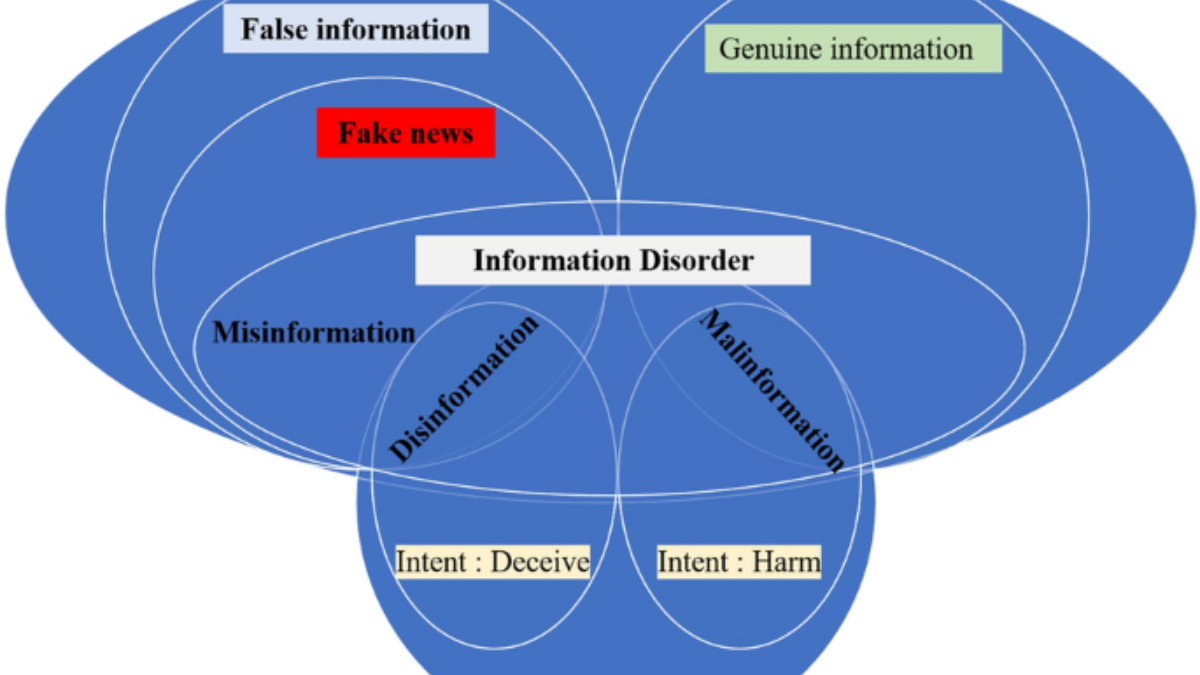
Summary – A recent controversy erupted over a purported letter with a lewd note and a drawing, leading to official denials and raising broader concerns about misinformation in global politics.,
Article –
A recent controversy involving a purported letter with a lewd note and an accompanying drawing sparked significant political debate. The White House denied that former President Donald Trump authored the letter or created the drawing, calling the report false, malicious, and defamatory. This incident highlights broader issues related to political communication, misinformation, and international perceptions.
Background
The controversy began when reports emerged claiming that Donald Trump wrote a letter containing inappropriate content and a drawing of a woman. The letter’s content was considered offensive and unacceptable. In response, the White House issued a swift denial, firmly rejecting the claims and condemning the report’s accuracy and intent.
The timeline shows the initial report quickly gained traction, leading to immediate public and political reactions. The White House’s denial followed soon after, aiming to clarify the President’s stance and counter misleading narratives.
The Global Impact
Although the issue originated domestically, its effects have global reach. In today’s digital age, information spreads instantly, and political controversies can shape international perceptions of a country’s leadership and governance.
- Political Integrity: Questions arise about the truthfulness and reliability of political figures.
- Misinformation’s Role: False narratives can be constructed and disseminated to influence public opinion.
- Geopolitical Ramifications: As a global leader, the U.S.’s leadership credibility affects diplomatic relations, negotiations, and cooperation on critical issues like climate change, security, and trade.
The incident is an example of the increasing use of misinformation in politics to discredit opponents and destabilize figures, which undermines public trust and democratic processes worldwide.
Reactions from the World Stage
International reactions have been cautious. Allied nations generally adhered to a wait-and-see approach, emphasizing that U.S. internal politics should not affect ongoing diplomatic ties. However, some rival states may use the controversy to question U.S. leadership and reliability.
Global media and analysts emphasize the event as part of a wider pattern highlighting the role of misinformation in political discourse. They underline the importance of:
- Stronger fact-checking mechanisms
- Promotion of media literacy
- Counteracting the spread of false information
Consequences, Trends, and Possible Outcomes
Domestically, the White House’s denial seeks to protect reputational integrity and prevent adversaries from gaining political advantage. However, the controversy reveals ongoing vulnerabilities related to misinformation and the challenging task of distinguishing truth from falsehood.
Globally, the incident feeds concerns about transparency and accountability in political communication across different regimes. The rapid spread of information combined with misinformation threatens to complicate diplomatic relations and international cooperation.
Experts predict that future political crises may increasingly center on digital content battles, raising complex issues such as:
- Regulation of digital platforms
- Freedom of expression
- The responsibilities of social media companies
What Comes Next?
Going forward, countries including the United States will likely continue confronting the challenges posed by misinformation, especially during sensitive political moments like elections or international summits.
Potential priority areas include:
- Strengthening institutional responses
- Enhancing media literacy among the public
- Fostering international cooperation to combat misinformation
This incident underscores the delicate balance between political expression and responsible communication in an interconnected world. Its ultimate impact on global perceptions and diplomatic relations remains uncertain.
Will political misinformation continue to shape global affairs, or can effective strategies curb its influence? Stay tuned to Questiqa World for ongoing global perspectives and insights.
About The Author

