
Summary – A stabbing attack in Seoul has left multiple people injured, raising concerns about urban security and prompting international attention on public safety in densely populated cities.,
Article –
On Wednesday, a stabbing attack in Seoul, South Korea, injured at least four people, prompting concerns about public security in one of Asia’s largest cities. This incident, although localized, highlights broader challenges related to urban safety and law enforcement in major metropolitan areas globally.
Background
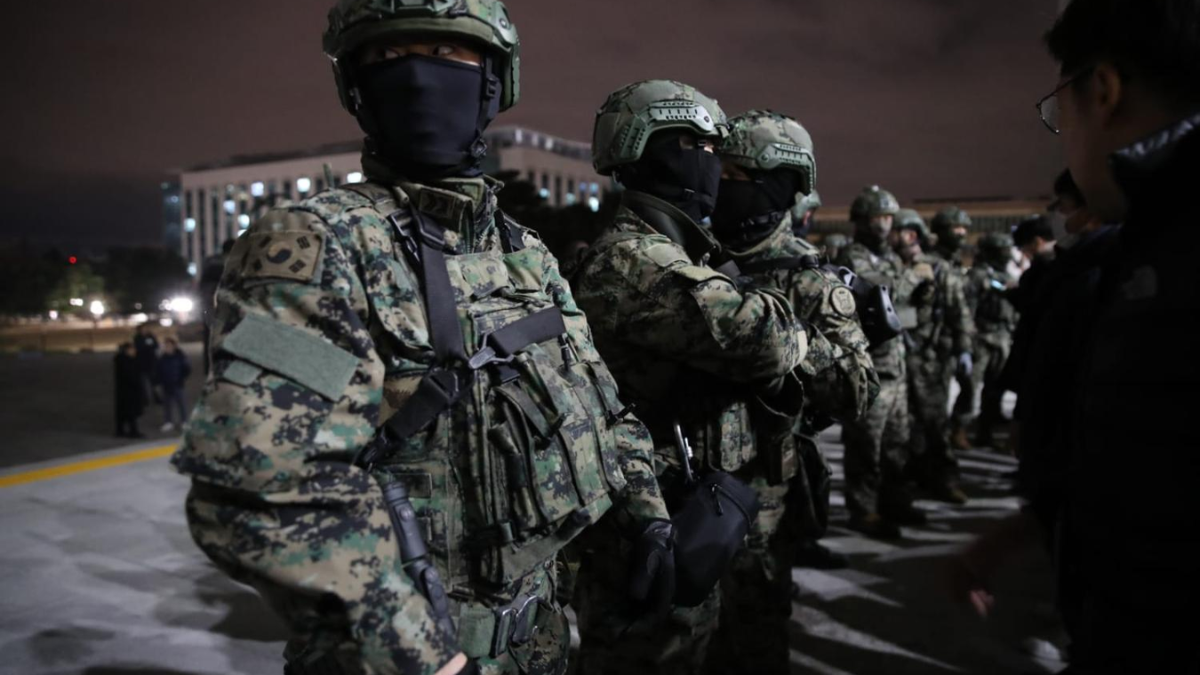
The attack occurred in Seoul, known for its high population density and extensive public transportation system. The assailant targeted multiple individuals before intervention by security forces. Emergency services quickly responded, transporting the injured to hospitals for urgent treatment.
This incident reflects a disturbing trend of isolated violent attacks in major cities worldwide, emphasizing the ongoing challenge cities face in maintaining safety amidst growing populations.
South Korean authorities have launched a thorough investigation into the motives and possible broader security links of the attacker. This event stands out due to South Korea’s traditionally low violent crime rates compared to other global urban centers.
Key Actors
- The attacker: An unidentified individual who instigated the violence, prompting immediate law enforcement response.
- South Korean government and law enforcement: Including the Ministry of the Interior and Safety and local police actively managing the crisis and public communication.
- Medical personnel and emergency responders: Responsible for providing critical medical care and mitigating the consequences of the attack.
While a domestic incident, this stabbing resonates internationally in conversations about urban security, the adequacy of policing, and challenges of preventing random acts of violence in crowded centers.
The Global Impact
Though confined to Seoul, the attack amplifies global concerns over vulnerabilities in urban safety. Metropolitan areas face complex security issues as they grow more populous and interconnected.
South Korea’s economic prominence and strategic position in Northeast Asia mean that stability in its cities is crucial not only domestically but also for international investors and diplomatic relations.
This attack contributes to ongoing discussions around:
- Urban threat preparedness – including mental health support, community policing, and emergency responses.
- Counterterrorism strategies and protection of mass public events.
- Security policy frameworks in an era of evolving urban threats.
Reactions from the World Stage
International responses include expressions of concern and calls for strengthened security cooperation. Governments and global organizations emphasize solidarity in combating urban violence and the sharing of best practices to prevent similar incidents.
Diplomatic support for South Korea’s efforts reflects broader interests in maintaining public safety for citizens and visitors alike.
Experts highlight the importance of:
- Improving surveillance technologies
- Enhancing rapid response capabilities
- Building community resilience
While isolated, such attacks challenge perceptions of city safety worldwide, impacting tourism and global business.
What Comes Next?
Post-attack, authorities in South Korea are expected to ramp up investigations and preventive measures, including:
- Enhanced urban surveillance systems
- Increased law enforcement presence in vulnerable locations
- Community outreach programs for early violence intervention
This case may spark domestic and international debate on balancing public security with civil liberties, particularly around surveillance and policing.
Addressing social factors contributing to violence will also be critical.
South Korea’s response could serve as a model for other nations grappling with urban safety, fostering greater international collaboration on effective violence prevention policies.
Additionally, the incident emphasizes the necessity for multi-sector coordination—especially emergency medical response integration—to minimize loss during such crises.
As urban populations expand, the Seoul stabbing highlights the urgent need for innovative security strategies and thoughtful urban planning to protect residents effectively worldwide.
About The Author


